

Pass your exam with us
Time Efficient, Personalised Exam Revision
-

Time Efficient
Focuses you on the must know topics
-

Expert Knowledge
Developed by exam revision experts
-

Compare With Peers
Track your performance against your peers


Popular revision resources
Select from our range of exam preparation question banks





How we help you pass first time



-


High Impact Questions
Maximise your revision time. High Impact Questions instantly delivers you the most important questions, ranked by our clinical tutors and your peers.
-


Your Daily Question
Keep on track. Set a time that suits you, we will send you a personalised revision question every day.
-


Mobile App
Revise on your commute, in between patients or whenever suits you best with our popular App. Practice questions offline, your scores are synced back to your account when you’re next online.
-


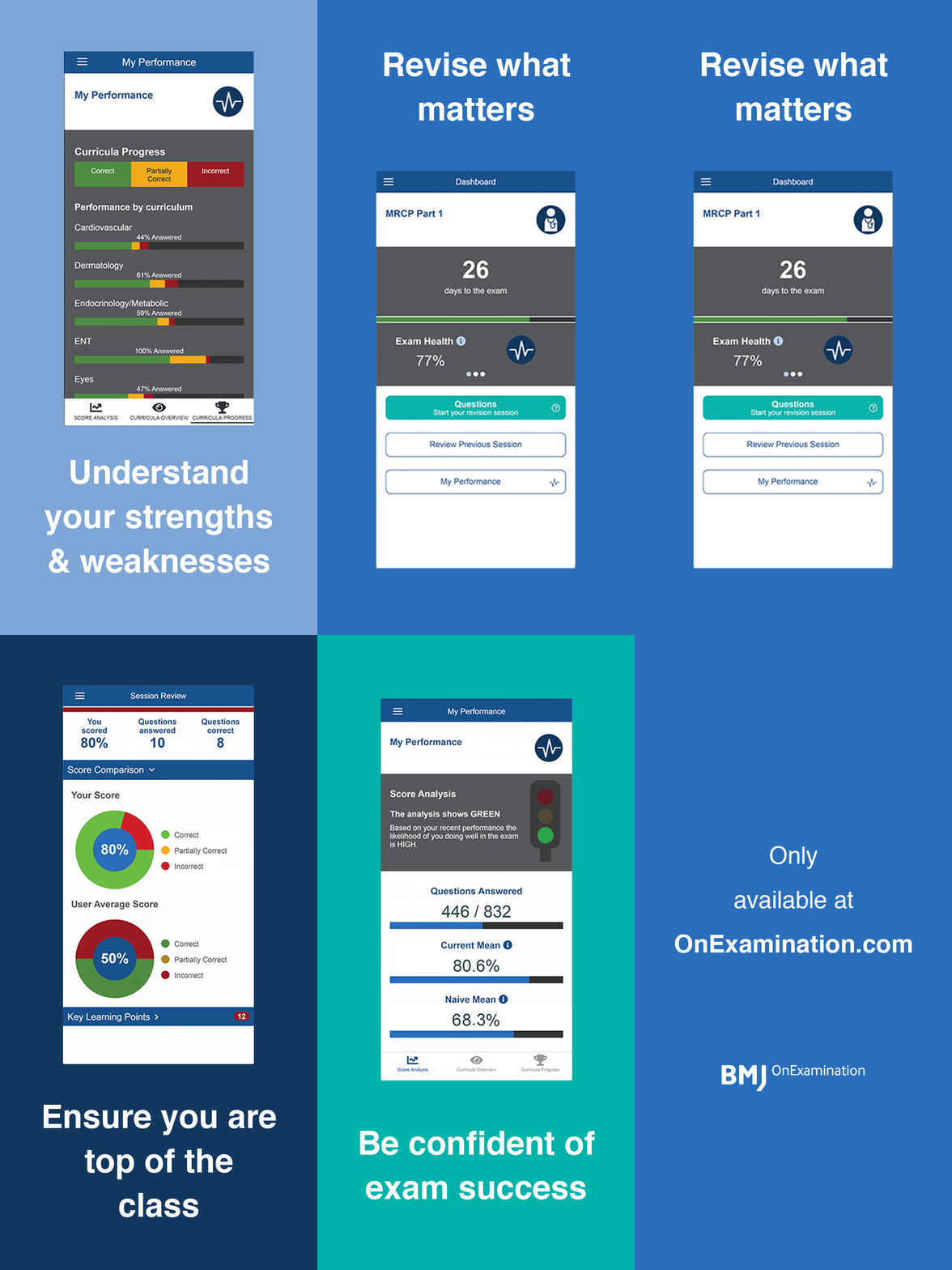
Performance Feedback & Peer Comparison
Indicates how likely you are to pass. Detailed performance graphs show how you’re currently performing and benchmark you against your peers.








Let customers speak for us


�Haven't done the exam yet but it has made me feel so much more confident. Wish this existed when I was at medical school!

the questions are of standard type nicely presented . explanations are nice but more improvement is needed here.

an excellent source for summurized informations , also brain challeging

Sign up for special offers from BMJ
Join our mailing list today to get access to our latest exam news, revision hints and tips and special offers.
RegisterLet customers speak for us
�Haven't done the exam yet but it has made me feel so much more confident. Wish this existed when I was at medical school!
the questions are of standard type nicely presented . explanations are nice but more improvement is needed here.
an excellent source for summurized informations , also brain challeging